Home Office for Everyone
Details
Project • 2021
Lifestyle
In 2021 everyone I knew had just been sent home to work, and nobody could quite explain why it felt worse than the office.
This was a university research project into what remote work was doing to people's days. It is the oldest thing in this portfolio, and the question underneath it is one I am still working on.
01 — The Question
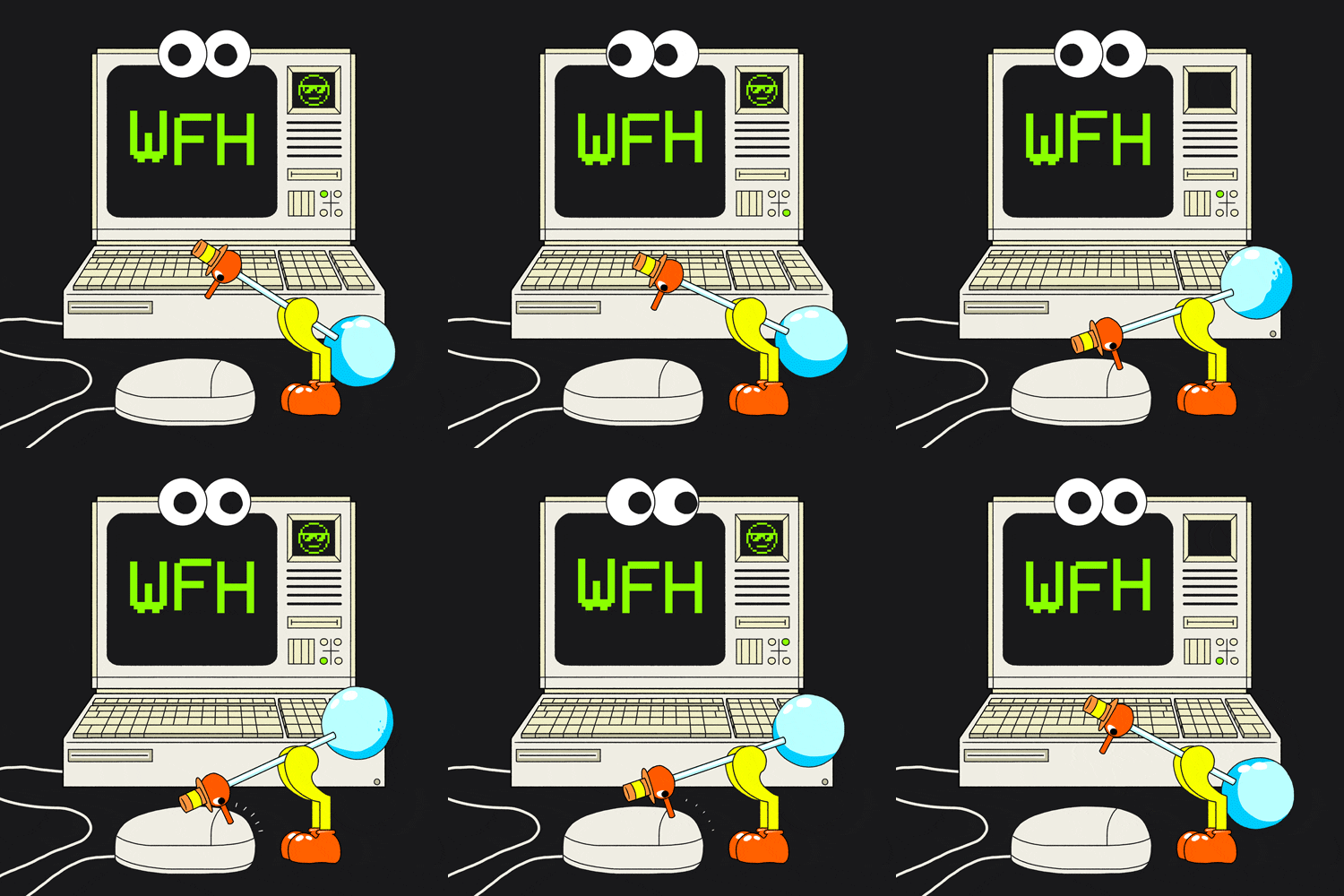
Working from home promised freedom. It delivered chaos.
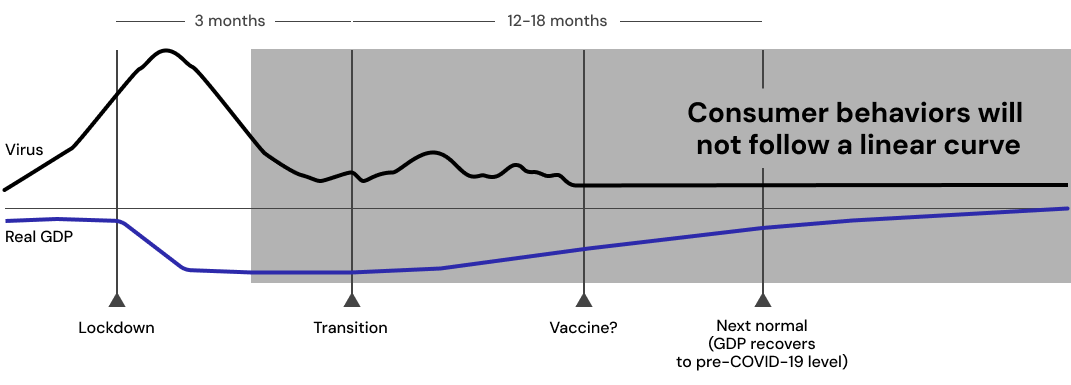
The pandemic moved millions of people into their living rooms overnight. The promise was autonomy. What many of them got was a workload with no edges and a slow accumulation of anxiety they could not name.
The cause turned out to be structural, not personal. An office hands you a schedule you never had to build: a start, an end, a lunch, a commute that separates one mode from another. Take the building away and that scaffolding goes too. The line between working and resting stops being a time and becomes a decision, made dozens of times a day.
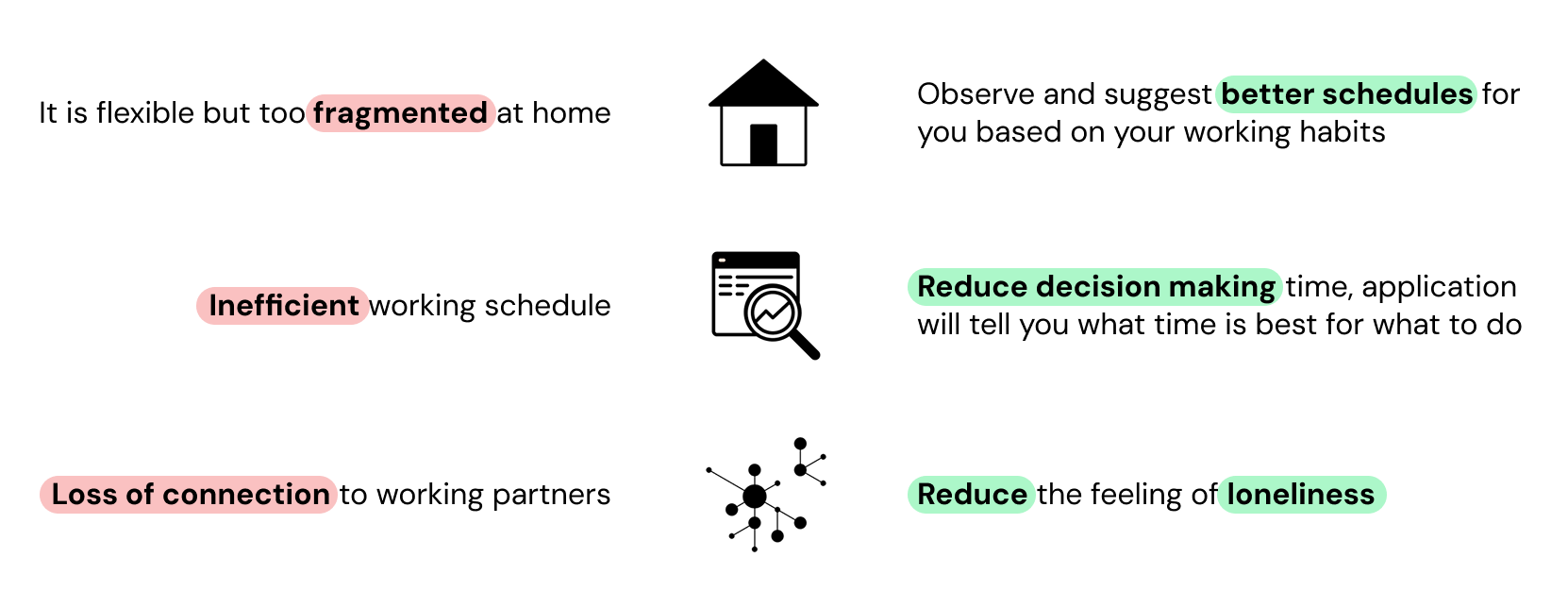
We interviewed digital nomads, who had been living without that scaffolding the longest, and asked them to rank what actually hurt rather than describe their problems in general.
"(invisible) Strict Routine → (visible) Flexible Life Style"
02 — The Concept
A schedule that reads your day instead of asking you to design one
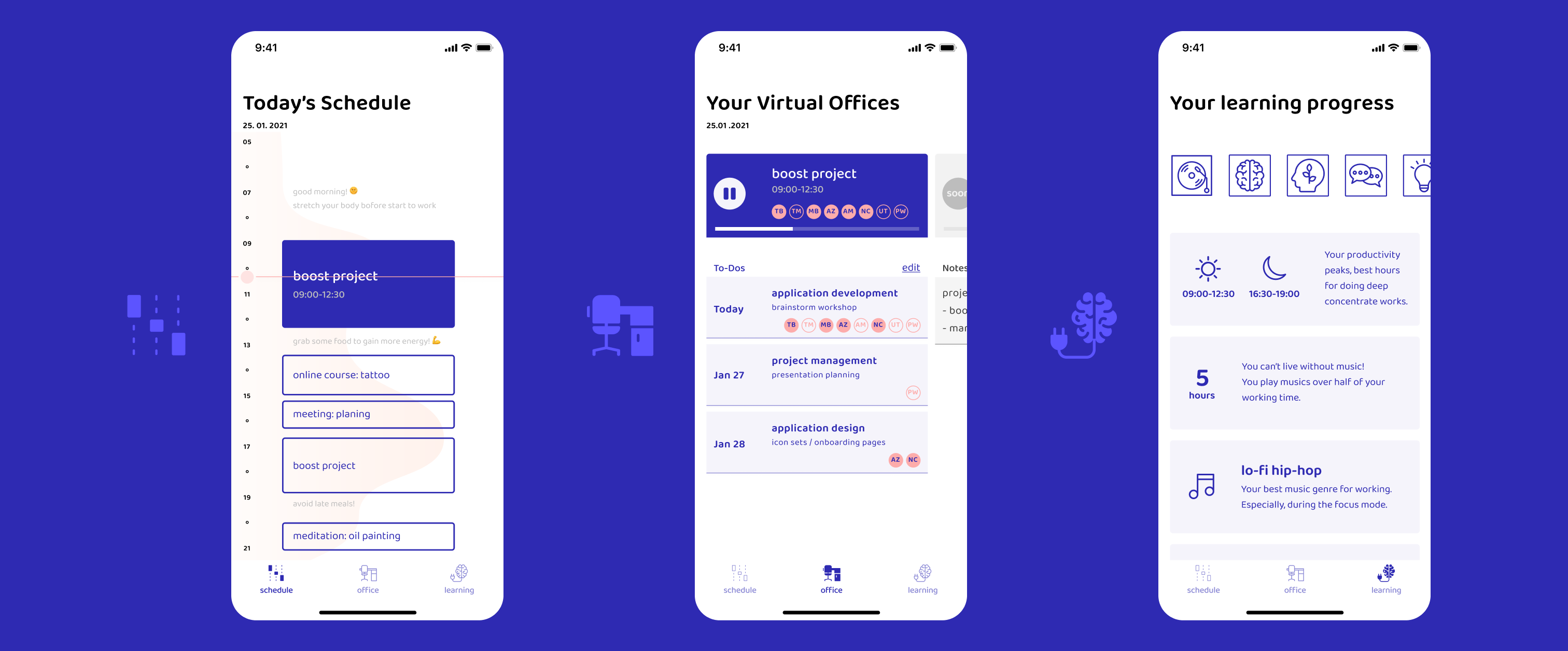
We built Groovy, a platform that proposes a routine from a person's actual behaviour and keeps the people they work with in view. Three features carried it:
- ·Schedule, focus windows predicted from smart home data, so tasks land when energy is actually highest
- ·Office, a presence layer showing colleagues' live status, recreating the ambient awareness an office gives you for free
- ·Learning, behavioural insights and expert tips, so people understand why a routine works rather than just following one
03 — Looking Back
The oldest question I am still asking
Groovy was a student concept. It never shipped, and I can see now how much of it was ambition rather than evidence.
What stayed with me was the framing. The problem was never the interface. It was that people were being asked to build their own structure with no tools and no feedback, then blaming themselves when it did not hold.
Three years later I was designing corporate wellbeing products for a living, benefit platforms and step-count challenges, both attempts to help people build a healthier working life without lecturing them about it. Different context, same question.
Thanks for reading.
 →
→